
Exploring Podcasting Tips for Aspiring Creators
Podcasting has exploded in popularity over the past few years, becoming a favored medium for storytelling, education, and entertainment. With millions of podcasts available, aspiring creators may feel overwhelmed by the competition. However, with the right strategies and insights, anyone can carve out their niche in the podcasting world. This blog post will explore essential tips for budding podcasters, helping you launch and grow your podcast effectively.
Understanding Your Audience
Before diving into the technical aspects of podcasting, it’s crucial to understand your audience. Knowing who you are speaking to will shape your content, tone, and marketing strategies. Here are some steps to identify and connect with your audience:
Define Your Target Audience
Demographics: Consider age, gender, location, and interests. Are you targeting young adults interested in technology or parents looking for parenting tips?
Pain Points: What challenges does your audience face? Understanding their struggles can help you create content that resonates.
Listening Habits: Research how your audience consumes podcasts. Do they prefer short episodes during commutes or longer, in-depth discussions?
Create Listener Personas
Developing listener personas can help you visualize your audience. Create profiles that include:
Name
Age
Occupation
Interests
Podcast preferences
These personas will guide your content creation and marketing efforts.
Crafting Compelling Content
Content is king in the podcasting world. Here are some tips to ensure your episodes are engaging and valuable:
Choose a Unique Topic
Select a niche that you are passionate about and that has an audience. Consider the following:
Personal Interests: What topics excite you? Your enthusiasm will translate into your content.
Market Demand: Research trending topics in your niche. Use tools like Google Trends or listen to popular podcasts for inspiration.
Develop a Content Plan
Planning your episodes in advance can help maintain consistency. Consider these elements:
Episode Structure: Decide on a format (interviews, solo episodes, panel discussions) and stick to it.
Content Calendar: Create a schedule for recording and releasing episodes. Consistency builds audience trust.
Craft Engaging Scripts
While spontaneity can be appealing, having a script or outline ensures you cover key points. Here are some tips:
Hook Your Audience: Start with a compelling story or fact to grab attention.
Clear Segments: Break your episode into segments to maintain flow and keep listeners engaged.
Call to Action: Encourage listeners to subscribe, leave reviews, or engage with your content.
Technical Setup
Once you have your content planned, it’s time to focus on the technical aspects of podcasting. Here’s what you need to get started:
Equipment Essentials
Investing in quality equipment can significantly enhance your podcast's audio quality. Here’s a basic list:
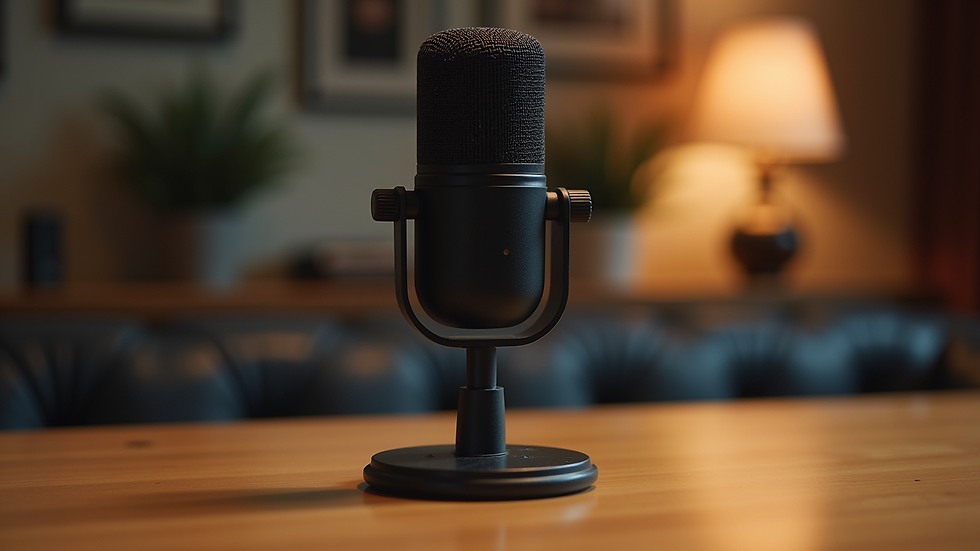
Microphone: A good microphone is crucial. USB microphones are user-friendly for beginners, while XLR microphones offer higher quality for advanced users.
Headphones: Use closed-back headphones to monitor audio without feedback.
Recording Software: Choose software that suits your needs. Options like Audacity and GarageBand are great for beginners, while Adobe Audition offers advanced features.
Recording Environment
Your recording environment plays a significant role in audio quality. Consider these tips:
Quiet Space: Choose a location with minimal background noise.
Soundproofing: Use soft furnishings, carpets, or soundproofing panels to reduce echo and improve sound quality.
Editing Your Podcast
Editing is where you can polish your podcast and enhance the listening experience. Here are some editing tips:
Use Editing Software
Familiarize yourself with editing software to cut out mistakes, add music, and improve audio quality. Popular options include:
Audacity: Free and user-friendly for beginners.
Adobe Audition: Offers advanced features for professional editing.
Focus on Audio Quality
Ensure your audio is clear and balanced. Here are some editing tips:
Remove Background Noise: Use noise reduction tools to eliminate unwanted sounds.
Balance Levels: Adjust volume levels to ensure consistent audio throughout the episode.
Publishing and Promotion
Once your podcast is edited and ready, it’s time to publish and promote it. Here’s how to get your podcast out into the world:
Choose a Podcast Hosting Platform
Select a reliable podcast hosting platform to store and distribute your episodes. Popular options include:
Libsyn: Offers robust analytics and distribution options.
Podbean: User-friendly with various pricing plans.
Submit to Directories
Ensure your podcast is available on major platforms like:
Apple Podcasts
Spotify
Google Podcasts
Promote Your Podcast
Promotion is key to growing your audience. Here are some effective strategies:
Social Media: Share snippets and behind-the-scenes content on platforms like Instagram and Twitter.
Collaborate with Other Podcasters: Guest appearances can introduce your podcast to new audiences.
Engage with Your Audience: Encourage listener feedback and respond to comments to build a community.
Analyzing Performance
Once your podcast is live, it’s essential to track its performance. Here’s how to analyze your podcast’s success:
Monitor Analytics
Most hosting platforms provide analytics to track:
Downloads: Monitor how many times your episodes are downloaded.
Listener Retention: Check how long listeners stay engaged with your episodes.
Demographics: Understand who is listening to tailor your content further.
Gather Feedback
Encourage listeners to leave reviews and feedback. This can provide valuable insights into what resonates with your audience and what needs improvement.
Continuous Improvement
Podcasting is an evolving medium, and continuous improvement is vital for long-term success. Here are some tips to keep growing:
Stay Updated on Trends
Keep an eye on industry trends and adapt your content accordingly. Follow podcasting blogs, attend webinars, and join podcasting communities to stay informed.
Experiment with Formats
Don’t be afraid to try new formats or topics. Experimenting can keep your content fresh and engaging. Consider:
Live Episodes: Engage with your audience in real-time.
Themed Series: Create a series around a specific topic to dive deeper.
Invest in Your Skills
Consider taking courses or attending workshops to improve your podcasting skills. Learning from experts can provide new insights and techniques.
Final Thoughts
Podcasting is an exciting journey that allows you to share your voice and connect with others. By understanding your audience, crafting compelling content, and continuously improving your skills, you can create a podcast that stands out in a crowded market. Remember, the key to success lies in your passion and dedication. So, grab your microphone and start recording!
With these tips in hand, you are well on your way to launching a successful podcast. Embrace the process, learn from your experiences, and most importantly, enjoy the journey of podcasting!


Comments