
Top Podcasting Tools Every Author Should Use
In the ever-evolving landscape of content creation, podcasting has emerged as a powerful medium for authors to connect with their audience. Whether you're looking to promote your latest book, share insights about your writing process, or engage in discussions about your favorite topics, having the right tools can make all the difference. In this post, we will explore the top podcasting tools every author should consider using to enhance their podcasting experience.

Understanding the Basics of Podcasting
Before diving into the tools, it's essential to understand what podcasting entails. A podcast is essentially a series of spoken-word content, audio episodes, or discussions that can be streamed or downloaded. Authors can use podcasts to:
Build a personal brand: Share your voice and personality with your audience.
Engage with readers: Foster a deeper connection with your audience through storytelling.
Promote your work: Discuss your books, upcoming projects, and writing journey.
Essential Podcasting Equipment
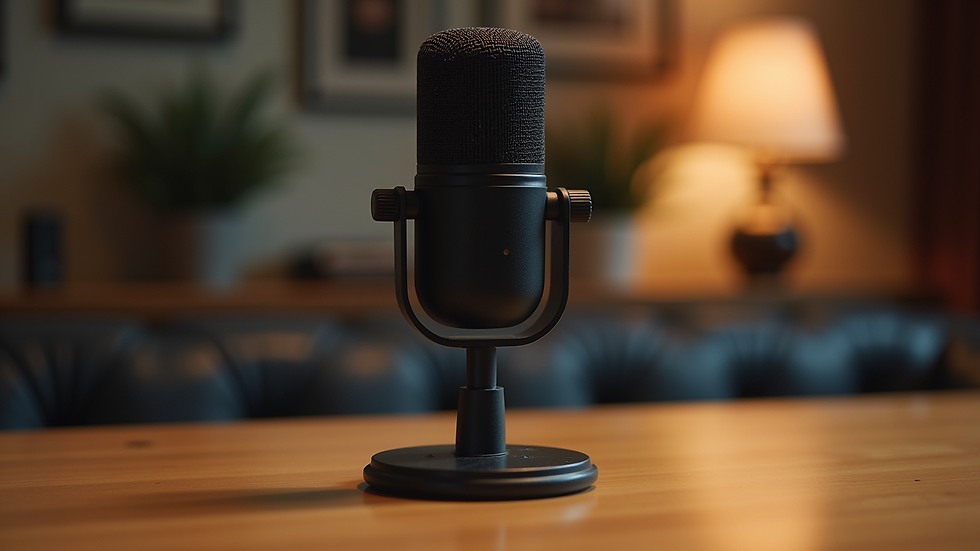
Microphones
The quality of your audio can make or break your podcast. Here are some top microphone options:
Blue Yeti: A versatile USB microphone known for its excellent sound quality and multiple recording patterns.
Audio-Technica AT2020: A popular choice among podcasters for its clarity and affordability.
Shure SM7B: A professional-grade microphone that delivers rich sound, ideal for serious podcasters.
Headphones
Good headphones are crucial for monitoring your audio while recording. Consider these options:
Audio-Technica ATH-M50x: Known for their comfort and sound isolation, these headphones are a favorite among audio professionals.
Sony MDR-7506: Lightweight and durable, these headphones provide excellent sound quality for monitoring.
Audio Interfaces
If you're using an XLR microphone, you'll need an audio interface to connect it to your computer. Here are some recommendations:
Focusrite Scarlett 2i2: A reliable and user-friendly interface that offers high-quality audio conversion.
PreSonus AudioBox USB: An affordable option that provides great sound quality for beginners.
Recording Software
Once you have your equipment set up, you'll need software to record and edit your podcast. Here are some popular options:
Audacity
Audacity is a free, open-source audio editing software that is perfect for beginners. It offers a range of features, including:
Multi-track editing
Noise reduction
Audio effects
GarageBand
For Mac users, GarageBand is an excellent choice. It's user-friendly and comes with built-in loops and effects, making it easy to create professional-sounding podcasts.
Adobe Audition
If you're looking for advanced features, Adobe Audition is a powerful audio editing tool. It offers:
Spectral frequency display
Advanced noise reduction
Multi-track editing capabilities
Hosting Platforms
After recording your podcast, you'll need a hosting platform to distribute it. Here are some of the best options:
Libsyn
Libsyn is one of the oldest podcast hosting platforms and offers robust features, including:
Customizable podcast website
Detailed analytics
Distribution to major podcast directories
Podbean
Podbean is user-friendly and offers a range of hosting plans. Key features include:
Unlimited storage and bandwidth
Built-in monetization options
Mobile app for easy listening
Anchor
Anchor is a free podcast hosting platform that simplifies the process of podcasting. It offers:
Easy recording and editing tools
Automatic distribution to major platforms
Monetization options through sponsorships
Promotion and Marketing Tools
Once your podcast is live, it's time to promote it. Here are some tools to help you reach a wider audience:
Canva
Canva is a graphic design tool that allows you to create eye-catching promotional materials for your podcast. You can design:
Social media graphics
Episode cover art
Promotional banners
Mailchimp
Email marketing is a powerful way to connect with your audience. Mailchimp allows you to:
Create newsletters to announce new episodes
Segment your audience for targeted campaigns
Track engagement metrics
Hootsuite
Managing your social media presence can be overwhelming. Hootsuite helps you schedule and manage posts across multiple platforms, allowing you to:
Plan your promotional strategy
Monitor engagement
Analyze performance metrics
Engaging with Your Audience
Building a loyal audience is crucial for the success of your podcast. Here are some strategies to engage with your listeners:
Social Media Interaction
Use platforms like Twitter, Instagram, and Facebook to connect with your audience. Share behind-the-scenes content, ask for feedback, and encourage discussions about your episodes.
Listener Surveys
Gather feedback from your listeners through surveys. This can help you understand what they enjoy and what topics they want to hear more about.
Live Q&A Sessions
Consider hosting live Q&A sessions on platforms like Instagram Live or Facebook Live. This allows you to interact with your audience in real-time and build a stronger connection.
Analyzing Your Podcast Performance
To improve your podcast, it's essential to track its performance. Here are some metrics to consider:
Download Numbers
Monitor how many times your episodes are downloaded. This can give you insight into which topics resonate with your audience.
Listener Retention
Analyze how long listeners stay engaged with your episodes. High retention rates indicate that your content is compelling.
Audience Demographics
Understanding who your listeners are can help you tailor your content. Most hosting platforms provide demographic data, including age, gender, and location.
Conclusion
Podcasting is a powerful tool for authors looking to connect with their audience and promote their work. By utilizing the right equipment, software, and marketing strategies, you can create a successful podcast that resonates with listeners. Remember, the key to a great podcast lies in quality content and genuine engagement with your audience. So, start exploring these tools and take your podcasting journey to the next level!

Comments